Interior Selective Demolition In Charlotte NC
Interior selective demolition in Charlotte, NC, provides a systematic strategy for home owners seeking to remodel. This procedure includes the cautious elimination of specific components, maintaining architectural stability while minimizing waste. By concentrating on lasting methods, selective demolition enables for the recycling of important products. Comprehending its processes and advantages can considerably influence a remodelling project. What are the key factors to review when initiating this kind of restoration?
What Is Interior Selective Demolition?
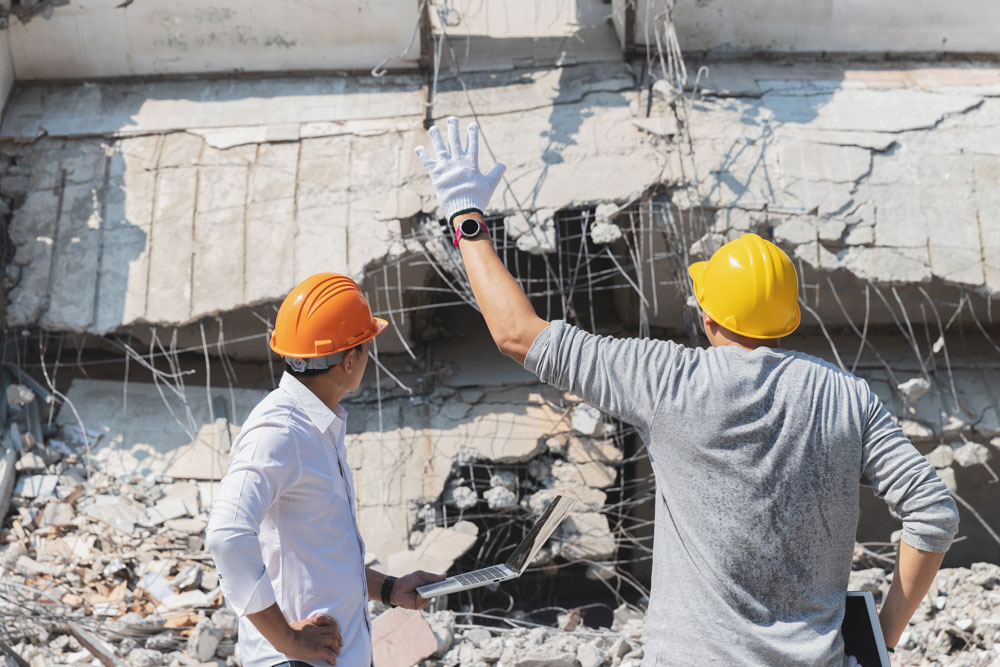
Normally, this procedure includes the removal of non-structural parts like walls, ceilings, flooring, and components. Experienced experts make use of specialized devices and methods to accomplish accurate outcomes, focusing on safety and performance. By selecting selective demolition, specialists can address certain demands without endangering the total stability or visual of the structure. This method is especially beneficial in urban settings, where space is minimal and maintaining bordering structures is crucial. Inevitably, interior selective demolition acts as a strategic strategy to modern-day construction and remodelling projects.
Advantages of Selective Demolition for House Owners
House owners can enjoy countless advantages from utilizing selective demolition in their remodelling projects. This method enables the targeted elimination of particular components, such as walls, cabinets, or floor covering, without jeopardizing the whole structure. By decreasing unnecessary damage, homeowners can maintain beneficial materials and minimize waste, aligning with sustainable structure techniques.
Selective demolition likewise improves security by lowering the threat of structural damage or dangerous material direct exposure during improvements. Additionally, it can result in cost savings, as property owners might stay clear of the cost associated with full demolition and disposal.
This method allows for better style adaptability, enabling home owners to reimagine and customize their rooms according to personal preferences. The capability to retain existing functions while making updates can produce a special blend of old and brand-new, inevitably raising the home's worth. In general, selective demolition offers a functional solution for house owners looking for reliable and effective improvements.
The Selective Demolition Process
The selective demolition process involves a careful method to deconstruction, focusing on particular locations of a framework while maintaining the honesty of the surrounding elements. This method is crucial for tasks requiring careful renovation or improvement without jeopardizing adjacent areas. A complete analysis of the website is performed to identify which elements require elimination and which should be preserved.
When the plan is established, precaution are executed to safeguard workers and the atmosphere. Specialized tools and devices are made use of to guarantee precision in the demolition, minimizing dirt and particles. Competent laborers meticulously dismantle targeted locations, such as wall surfaces, components, or floor covering, making sure that structural supports remain intact.
Throughout the procedure, continual tracking is important to deal with any type of unforeseen obstacles. By stressing careful preparation and execution, selective demolition not only promotes improvement however additionally promotes sustainability through the responsible disposal and recycling of materials.
Common Projects That Make Use Of Selective Demolition
Selective demolition is regularly used in different tasks, including property restorations, where house owners seek to improve their rooms without a full teardown. Industrial areas commonly undergo reconfigurations to adjust to altering service requirements, making selective demolition a practical choice. In addition, historic building restorations benefit from this approach, allowing for the preservation of essential building functions while updating insides.
Residential Remodelling Projects
When starting on domestic restoration jobs, many homeowner find that selective demolition plays an essential function in achieving their design goals (legendary demolition charlotte reviews). This procedure allows home owners to efficiently get rid of certain aspects of a structure without compromising its total stability. Typical applications consist of getting rid of out-of-date fixtures, walls, or flooring to create an open floor strategy or improve interiors. Selective demolition makes it possible for the installment of new electrical systems, plumbing, and cabinets while reducing waste and protecting multiple-use materials. Furthermore, this technique is typically used in cooking area and bathroom remodels, where targeted removal can significantly enhance capability and looks. By utilizing selective demolition, building owners can transform their spaces while adhering to monetary restraints and environmental considerations
Commercial Area Reconfigurations
As companies advance to satisfy altering market needs, industrial room reconfigurations find out here commonly necessitate selective demolition to adjust existing designs. This procedure permits business to optimize their operational effectiveness by eliminating non-structural components such as dividings, ceilings, and floor covering, developing even more practical areas. Common projects consist of transforming open workplace atmospheres, converting retail areas into multi-functional locations, or reconfiguring restaurants to enhance client flow. Selective demolition guarantees very little disruption to the bordering infrastructure, permitting services to proceed procedures throughout restorations. By strategically removing outdated functions, firms can better use their spaces, boost employee cooperation, and enhance client experiences. Inevitably, selective demolition plays a necessary function in giving modern, adaptable commercial settings that align with present service approaches.
Historical Building Remediations
Historic structure restorations usually require careful planning and execution, particularly when integrating contemporary performances while protecting architectural honesty. Selective demolition functions as an essential method in these projects, permitting the removal of non-structural elements, such as outdated components, wall surfaces, and dividers, without compromising the structure's historical attributes. This method lessens waste and minimizes the danger of harmful initial products. Typical jobs include the restoration of old cinemas, stockrooms, and courts, where protecting frontage details and unique workmanship is imperative. By using selective demolition, professionals can create useful areas that honor the past while meeting modern requirements, guaranteeing that these historical structures continue to be appropriate and usable for future generations.
Environmental Considerations in Selective Demolition
Selective demolition plays a necessary function in decreasing environmental effects during remodelling and building and construction jobs. This technique permits the careful removal of details structure components, such as wall surfaces, components, and floor covering, while protecting the total structure and lowering waste. By focusing on deconstructing instead than standard demolition, materials can be salvaged and repurposed, considerably reducing landfill contributions.
Additionally, selective demolition advertises reusing and using lasting materials, lining up with environmentally friendly methods - read here legendary demolition charlotte reviews. Harmful materials, such as asbestos or lead paint, can be determined and securely eliminated, guaranteeing compliance with environmental guidelines. This technique not just mitigates potential wellness threats yet likewise adds to the conservation of regional communities
Selecting the Right Contractor for Your Project
Choosing the ideal contractor for indoor selective demolition requires cautious analysis of licenses and credentials to ensure conformity with sector standards. Furthermore, reviewing previous project experience can offer insights right into the service provider's capabilities and dependability. This procedure is crucial for achieving successful project end results.
Verify Credentials and Licenses
When beginning on an indoor demolition job, validating that the chosen professional possesses the required credentials and licenses is important. Correct licensing indicates that the contractor abides by neighborhood laws, safety and security criteria, and industry ideal techniques. This not just promotes count on yet also shields property proprietors from prospective obligation issues. It is crucial to confirm that the professional holds all required permits and certifications particular to Charlotte, NC, as policies can differ by place. Furthermore, looking for insurance policy coverage, consisting of obligation and workers' settlement, is essential. This insurance coverage safeguards versus any crashes or damages that might happen during the demolition procedure. By prioritizing credential confirmation, customers can guarantee a smoother and extra safe and secure job implementation.
Examine Previous Project Experience
Experience offers as a necessary sign of a contractor's ability in interior selective demolition jobs. Evaluating a service provider's previous job experience gives insight right into their knowledge and integrity. It is crucial to assess the variety and range of past tasks, as varied experiences commonly reflect analytic abilities in different atmospheres. Possible clients need to request study or references that show effective completions, conformity with safety and security policies, and customer contentment. Additionally, examining photographs or going to completed websites can offer a tangible sense of craftsmanship top quality. This thorough evaluation warranties that the picked contractor possesses the required skills and expertise to deal with the particular demands of a careful demolition job, eventually causing a more effective and adequate end result.
Price Factors to Think About in Selective Demolition
Comprehending the expense elements associated with selective demolition is important for homeowner and specialists alike, as these expenses can vary substantially based on several variables. Trick considerations include the extent of the job, the intricacy of the demolition, and the materials included. For circumstances, getting rid of hazardous materials such as asbestos or lead paint generally incurs higher prices because of specialized handling and disposal needs. Labor expenses also play a substantial function; proficient labor may be needed for intricate tasks, increasing expenditures.
Moreover, the area and accessibility of the website can affect costs. Urban setups may offer logistical difficulties, requiring added devices and time. Disposal fees for particles and waste are another aspect, particularly if the materials are not recyclable. Job timelines can influence costs, as expedited solutions may lead to raised labor charges. Recognition of these elements allows even more precise budgeting for selective demolition projects.
Often Asked Inquiries
Exactly How Lengthy Does Interior Selective Demolition Generally Take?
Commonly, indoor selective demolition takes one to 3 weeks, depending upon the task's size and complexity. Aspects such as the extent of products gotten rid of and site conditions can affect the total duration substantially.
Is a Permit Required for Selective Demolition Projects?
A license is usually required for selective demolition projects, relying on local guidelines. It assures compliance with safety and security requirements and zoning laws, protecting both employees and the surrounding area during the demolition process.
What Precaution Are Taken Throughout Demolition?
Throughout demolition, strict precaution consist of website inspections, protective gear for employees, dirt control techniques, correct handling of harmful products, structural assessments, and adherence to regional policies to assure a safe functioning setting throughout the project.
Can I Stay In My Home During the Demolition?
What Occurs to the Particles After Demolition Is Finished?
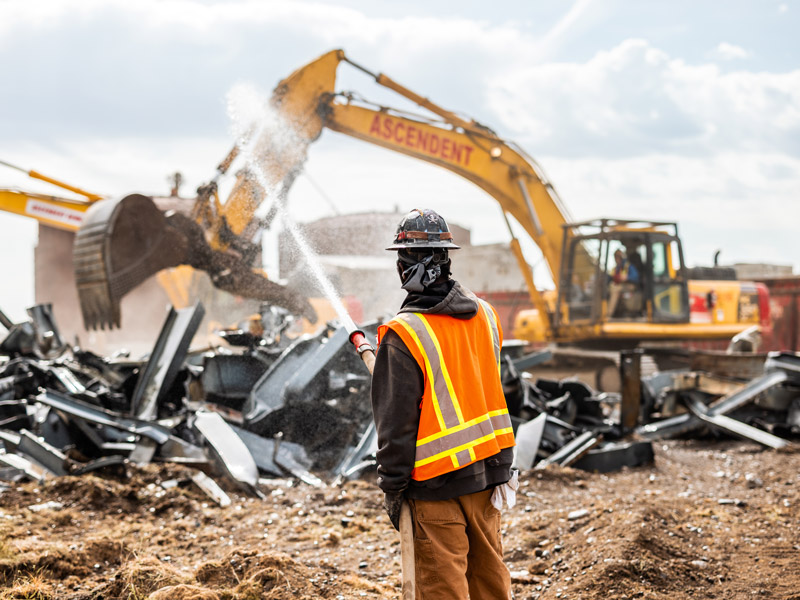
After demolition is finished, debris is typically arranged and classified for reusing or disposal. Salvageable products may be repurposed, while non-recyclable waste is moved to garbage dumps, making sure interior demo contractors near me appropriate ecological and security laws are followed.
Homeowners can gain many benefits from utilizing selective demolition in their improvement jobs. Selective demolition is frequently used in different projects, consisting of property restorations, where home owners seek to improve their spaces without a complete teardown. When starting on household improvement jobs, several residential or commercial property owners discover that selective demolition plays a necessary function in attaining their design objectives. Selective demolition plays a vital duty in decreasing ecological effects during improvement and building and construction projects. Experience offers as an important sign of a specialist's capacity in interior selective demolition jobs.